Sustainable Enjoyment: How Swiss Cuisine is Being Reinterpreted
In times of climate change, sustainability is becoming increasingly important for many people, both in lifestyle and in nutrition. It is therefore no surprise that more and more restaurants in Switzerland are embracing environmental awareness. In addition to using renewable energy and reducing food waste, many restaurants focus on reinterpreting traditional dishes.
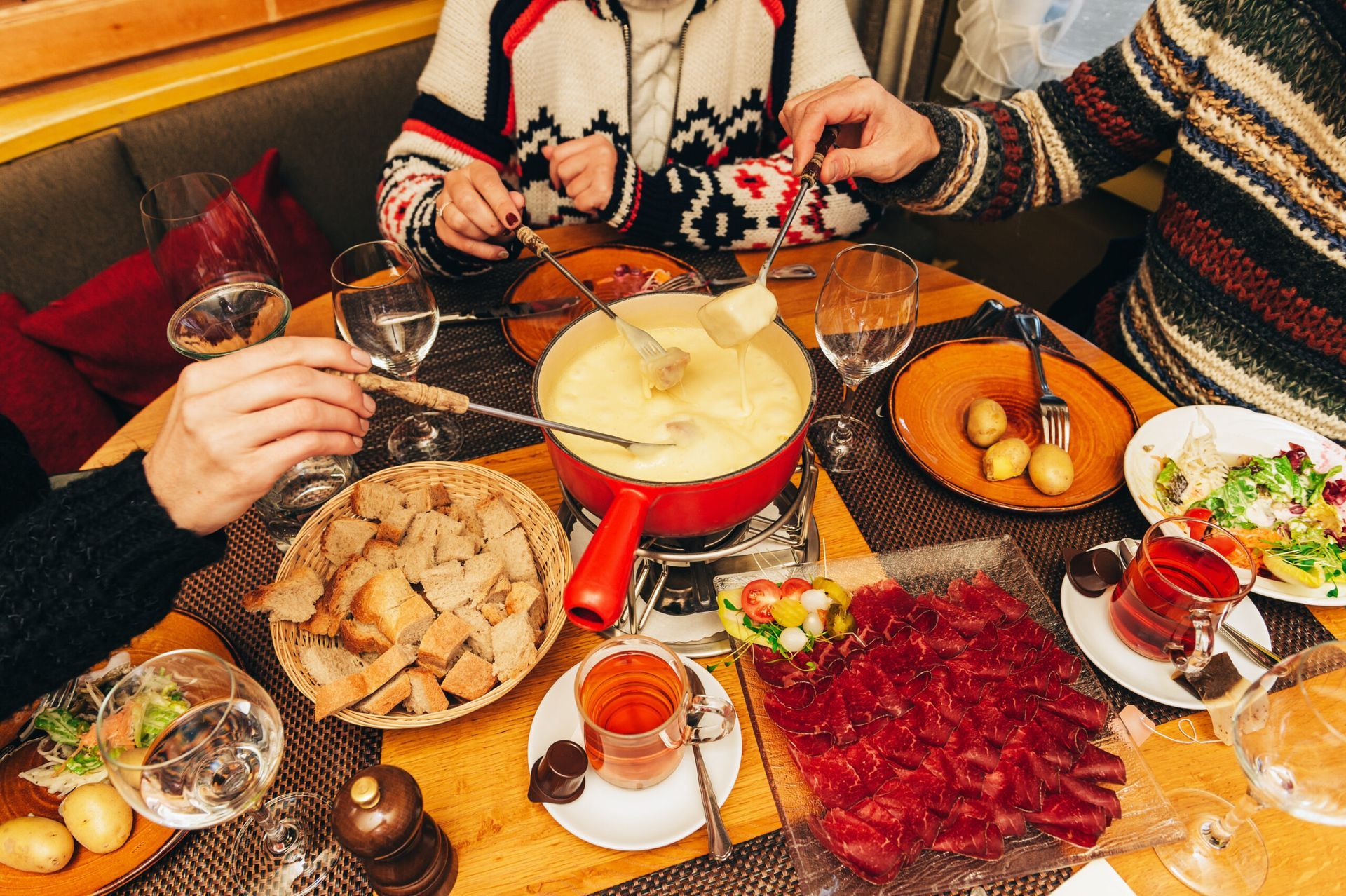
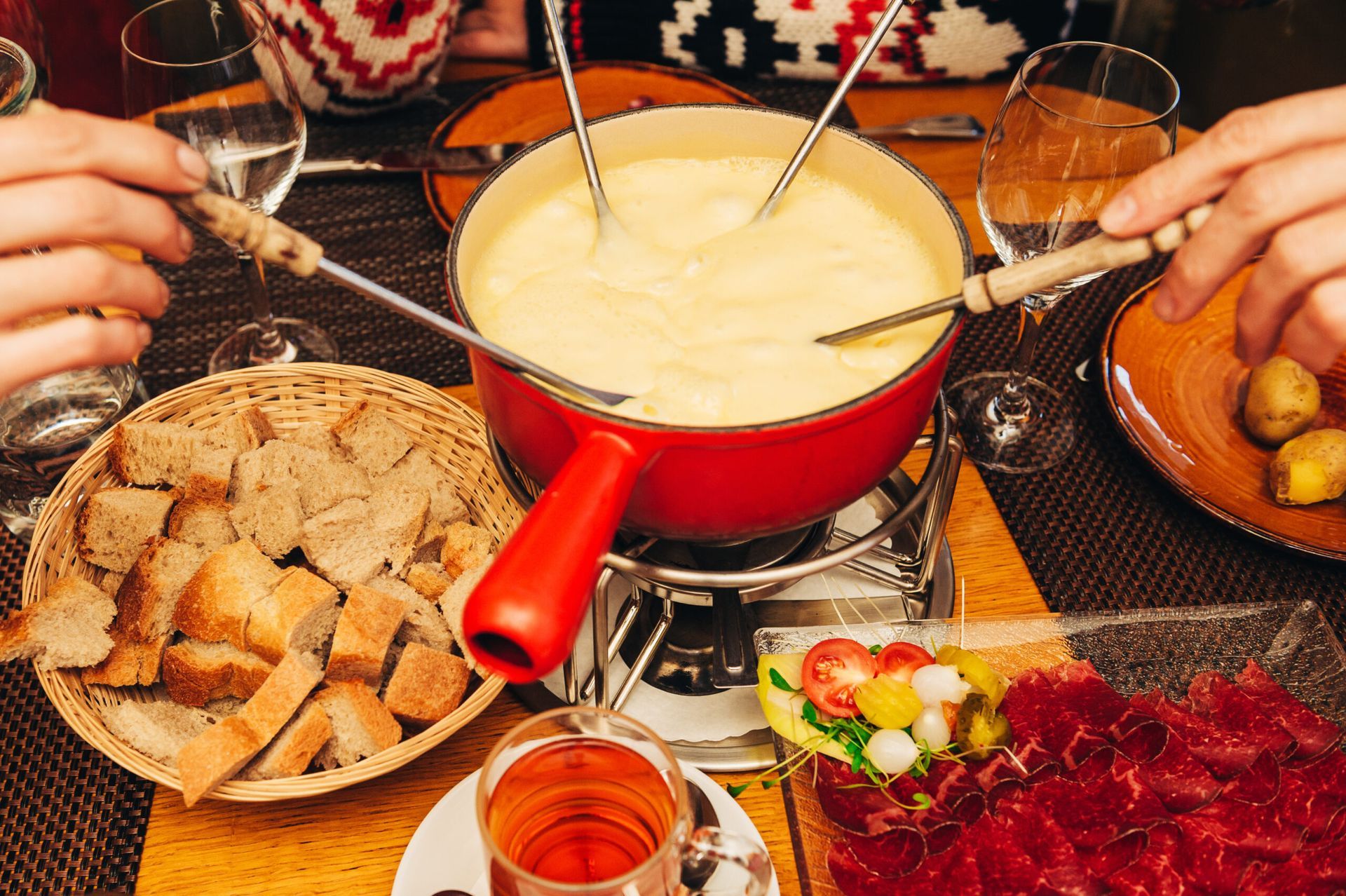
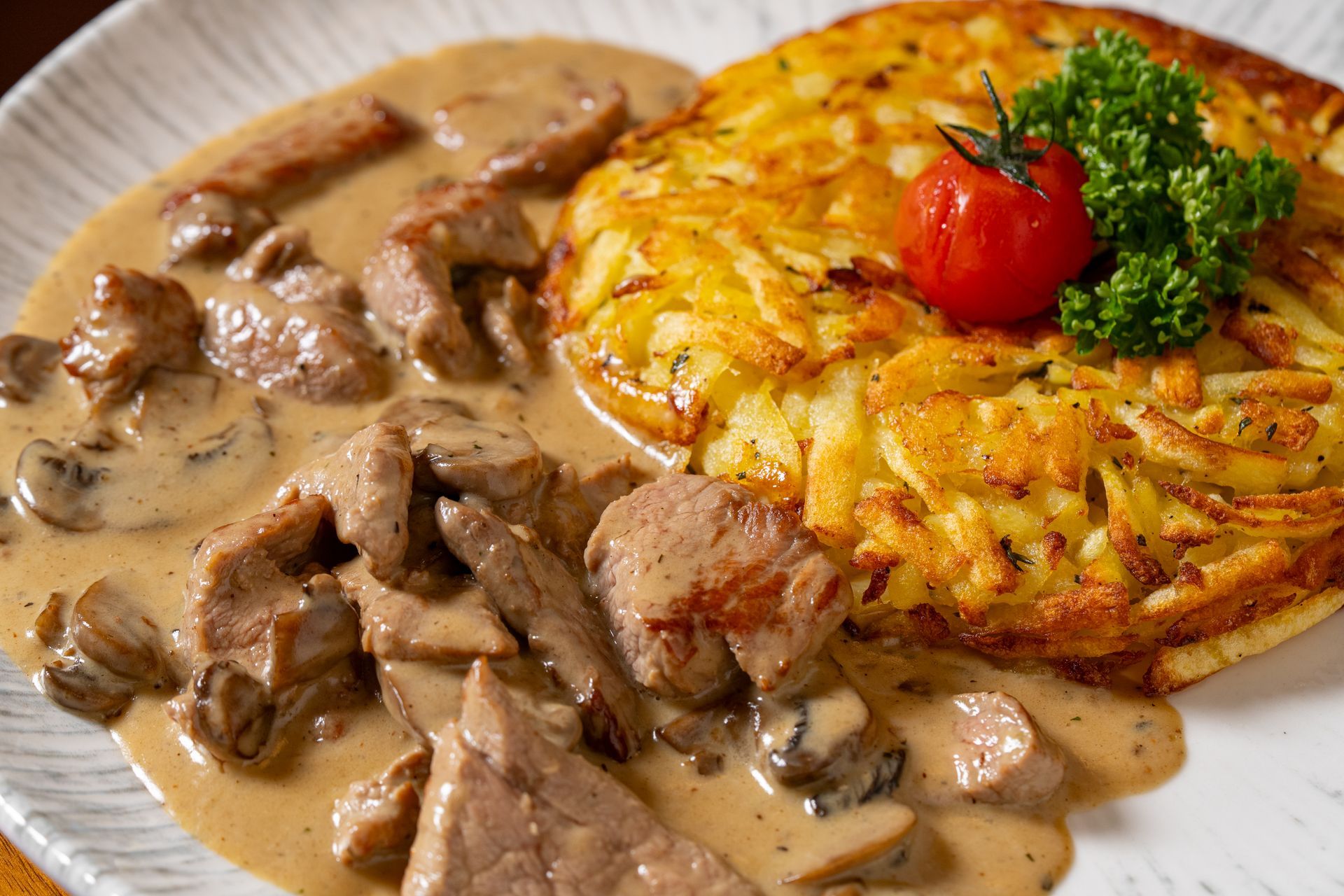
Sustainable enjoyment: In modern Swiss cuisine, tradition and innovation merge in an exceptional and harmonious way – and with great success. Classic dishes such as cheese fondue, Älplermagronen and Zurich-style sliced veal are combined and refined by creative chefs using seasonal and regional products, becoming unique culinary highlights. Try it yourself!
Unique taste experience: traditional dishes associated with modern refinement
Exciting and always enjoyable – this is how modern Swiss cuisine presents itself today. The reinterpretation of traditional dishes has become a real trend. With great passion, care, sophistication and creativity, classic Swiss dishes are reimagined by experienced chefs and young culinary talents, without changing the original recipe. This is the only way to preserve the authentic taste while making traditional meals suitable for everyday enjoyment.
The goals of this innovative change in gastronomy are diverse. On the one hand, restaurateurs want to showcase the diversity of Swiss cuisine through modern creations and regional products. By merging tradition and innovation, they also aim to appeal to new target groups. At the same time, sustainability in ingredient sourcing and food waste management has become increasingly important in restaurants in Zurich and the surrounding region.
Regional diversity: cooperation with local farmers
A particularly high priority in modern cuisine is the choice of ingredients. The demand for fresh seasonal products from the local region has increased significantly in recent years. The desire for locally produced food is also reflected in Zurich’s gastronomy: instead of imported exotic products from far away, many restaurants focus on regionality and seasonality. For menu preparation, seasonal ingredients from nearby producers are preferred.
Fresh meat, dairy products, cheese from local production, potatoes, apples and other regional fruits and vegetables – the variety of products from the Zurich region is enormous and perfectly suited for reinterpretations of traditional dishes. But that is not all: cooperation with local farmers also has a positive impact on the environment. By purchasing regional products, unnecessary long transport routes are avoided, which reduces costs and lowers the carbon footprint.
Sustainable gastronomy in Zurich: less food waste, more creativity
Just as there is a lid for every pot, there is also a suitable use for every ingredient in sustainable gastronomy. Food leftovers are no longer simply thrown away, which not only causes high costs but also harms the environment. Instead, chefs and their teams creatively transform leftover ingredients into new modern dishes. In this way, new culinary highlights are created from traditional recipes, while food waste in gastronomy is significantly reduced.
In addition to reusing leftovers for new creations, more and more restaurants in Zurich and the surrounding region are joining food-saving initiatives. This means that surplus food and dishes are offered at reduced prices, for example as lunch specials or via food-saving apps (e.g. “Too Good To Go”). If you want to save food, enjoy sustainable Swiss specialties at home and save money, take a look at lunch menus in Zurich restaurants or food-saving apps.
Extensive food offering: from vegan to vegetarian
People’s environmental awareness also includes the demand for sustainable nutrition. As a result, the demand for vegan and vegetarian dishes on menus in restaurants in Zurich and the surrounding region has increased noticeably. The range of vegan and vegetarian options in Swiss gastronomy has expanded significantly in recent years, meeting guests’ expectations. In addition to entirely new creations, traditional dishes are combined with plant-based ingredients and proteins, resulting in vegan and vegetarian delicacies. Fancy a vegan cheese fondue? No problem – you will find it in Zurich’s restaurants!
However, the diversity of vegan and vegetarian dishes does not mean that meat and fish lovers have to miss out on classics such as Zurich-style sliced veal or traditional Zurich veal sausage. On the contrary: traditional meat and fish dishes remain an essential part of modern cuisine. Ingredient quality plays a crucial role: many restaurants focus on organic quality and regional sourcing. Another positive aspect is that through transparent cooperation with sustainable local farmers, animal welfare is respected and supported.
Environmentally conscious restaurants in Zurich: efficiency and sustainability in focus
Climate change and growing environmental awareness are key factors that influence not only menus but also restaurant workplaces. Energy-efficient kitchen appliances can significantly reduce energy consumption. Modern refrigerators and equipment also help make workflows more efficient. Another advantage: energy efficiency leads to long-term cost savings for restaurants.
The use of recyclable materials in kitchens, as well as environmentally friendly interior design, further promotes sustainability in Zurich’s gastronomy. Reusable tools and non-toxic flooring and paints in kitchens and dining areas are additional steps that reduce environmental impact and contribute to climate protection.
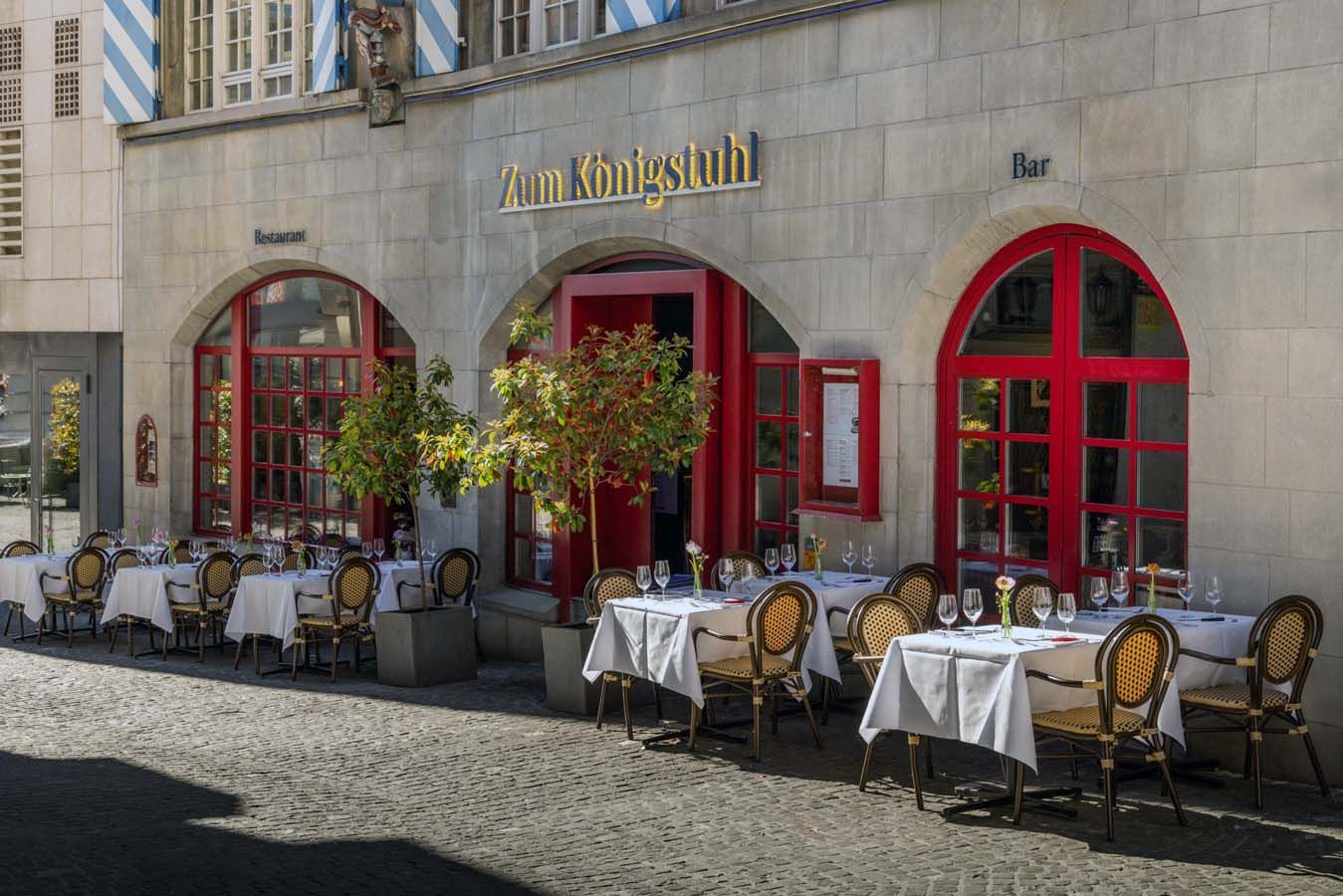
Perfect implementation in gastronomy: sustainability, tradition and modernity at Restaurant "Zum Königstuhl"
The use of seasonal and regional ingredients, reinterpretation of dishes, expanded vegan and vegetarian options, food waste reduction and energy efficiency – sustainability in Swiss gastronomy is already highly relevant today and will become even more important in the future, for both restaurateurs and guests. The commitment of restaurants is clearly demonstrated at Restaurant "Zum Königstuhl" in Zurich.
From historic guild house to modern gastronomy
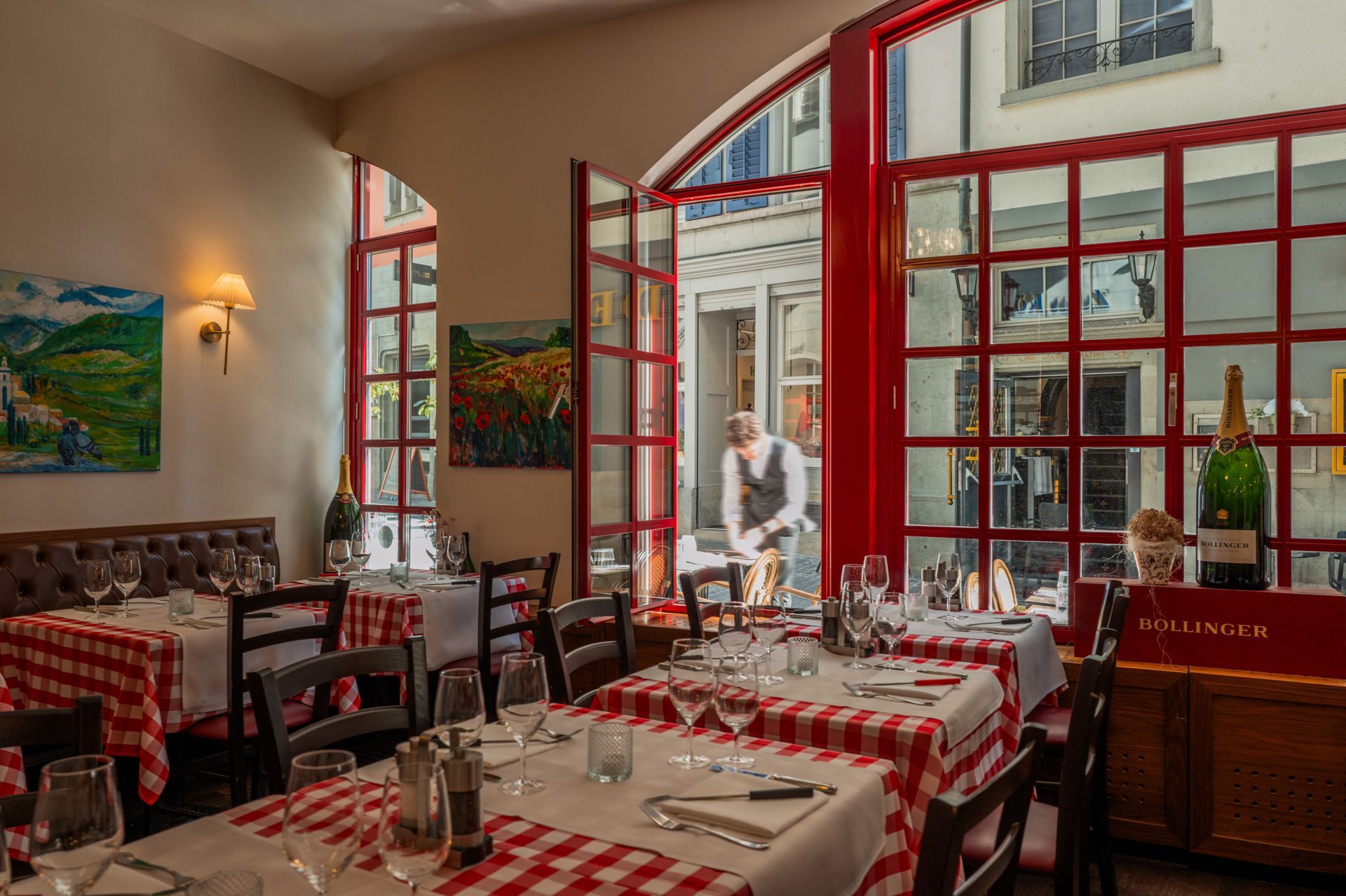
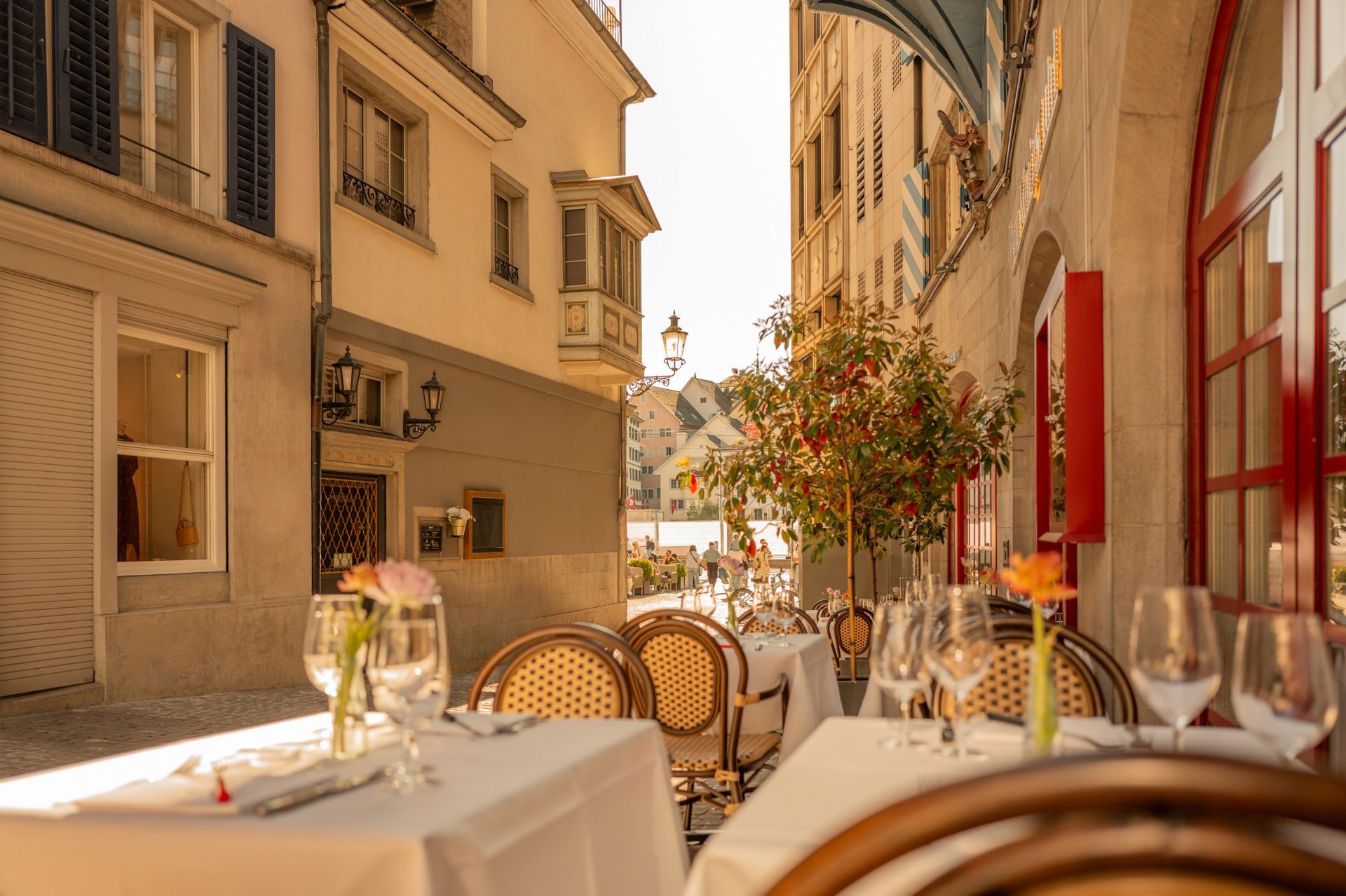
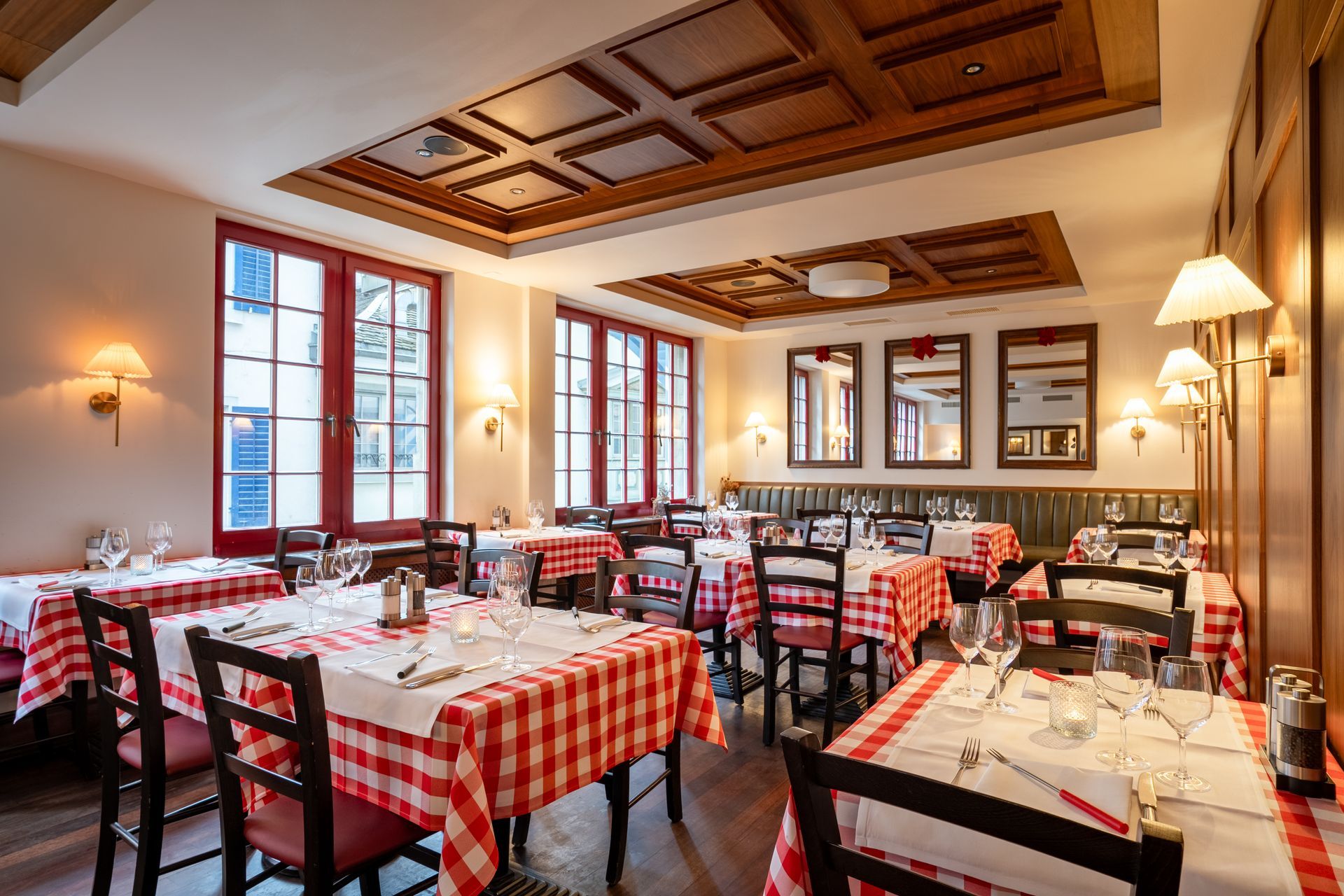
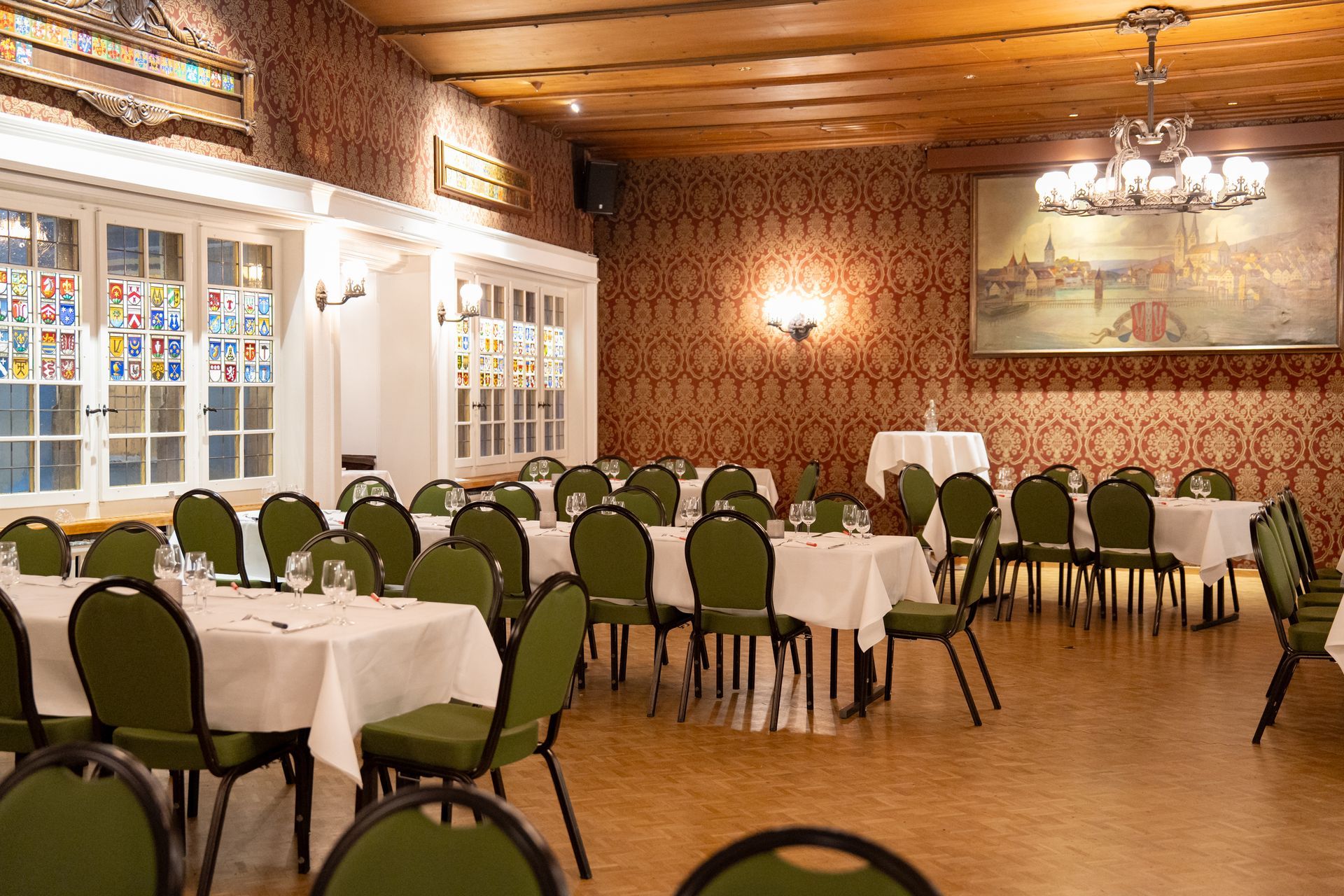
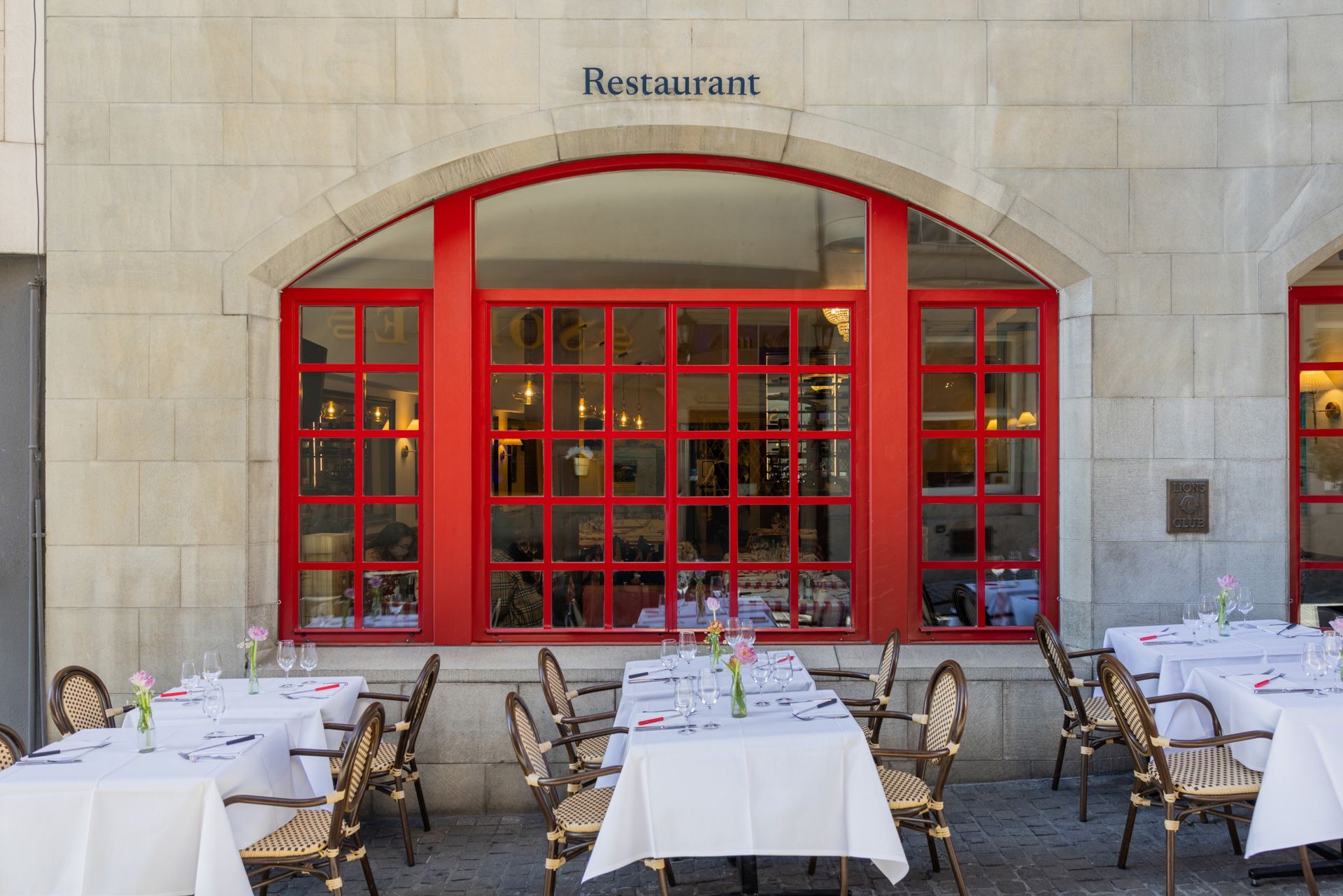
The location is situated in a 16th-century guild house in the heart of Zurich’s Old Town. Here, sustainability, tradition and modernity are perfectly combined. At Restaurant "Zum Königstuhl", guests can enjoy environmentally friendly, modern interior design that preserves the historic charm of the building. Some areas, such as the oriel, remain in their original condition, creating a particularly cosy atmosphere.
Regional sourcing from local producers
The team at "Zum Königstuhl" also demonstrates environmental commitment in ingredient sourcing and food waste management. Fruit, vegetables and meat are purchased from regional suppliers, ensuring freshness and high quality while showcasing local specialities. To reduce food waste, unused ingredients are creatively reused in new modern dishes.
Trust and success through transparency and honesty
Through these measures and its environmentally conscious approach, Restaurant "Zum Königstuhl" fully embodies sustainable enjoyment and follows its core values. Transparency and honesty are reflected not only in the restaurant itself but also on its website. The menu showcases both traditional dishes and innovative creations, highlighting the diversity of local ingredients.
The restaurant’s history is also featured online. The article “Our History” offers a journey through time, showing the transformation of the building at Stüssihofstatt 3 in Zurich from a former guild house of tailors to its current name, "Zum Königstuhl".
Reserve a table and enjoy sustainably
Curious about modern sustainable Swiss cuisine? Visit us at Restaurant "Zum Königstuhl". In the heart of Zurich’s Old Town, we serve traditional dishes such as Älplermagronen and Swiss beef tartare.
We also recommend our creatively reinterpreted dishes by our team, such as Königstuhl rösti with fried egg, bacon and premium Swiss mountain cheese, as well as the modern Königstuhl fondue with our own signature cheese blend.